Duolingo for Schools Is Ending in 2027: How Schools Can Move to Talkio
Last updated on
Editorial owner: Kier Lee Zamora · Editorial policy
Duolingo for Schools is heading toward a shutdown. Duolingo’s official Help Center confirms that the teacher-facing service will sunset on July 31, 2027.
The regular Duolingo learning app will remain available. What schools stand to lose is the layer built for teachers: classroom management, assignments, visibility into student activity, and an ad-free classroom setup.
That gives schools one academic year to decide what should come next. It is worth starting now, especially if your language program depends on teacher dashboards or if speaking practice is part of your curriculum.
What is changing with Duolingo for Schools?
Duolingo says it has decided to sunset the Schools product so it can focus on its core learning experience. No new Duolingo for Schools accounts or first classrooms can be created. Educators who already use the service can continue through July 31, 2027, add students to existing classrooms, and create additional classrooms during the transition.
The distinction matters. Students and teachers will still be able to use the general Duolingo app, but the teacher-facing Schools layer is closing. That layer currently handles classrooms, rosters, assignments, activity tracking, and reports. The ordinary learner app continuing does not mean teachers will keep those administration and progress-monitoring tools.
Duolingo has promised reminders and updates before the deadline, but it has not announced a replacement classroom dashboard, an automatic transfer to another school product, or a complete migration tool.
Do not replace a dashboard without asking what students need
A migration is a good time to look at the purpose of language technology in your classes. Many apps are good at building a daily habit. But a streak does not tell you whether a student can answer a question, explain an idea, or keep a conversation going. We explored that difference in our guide to measuring real speaking level.
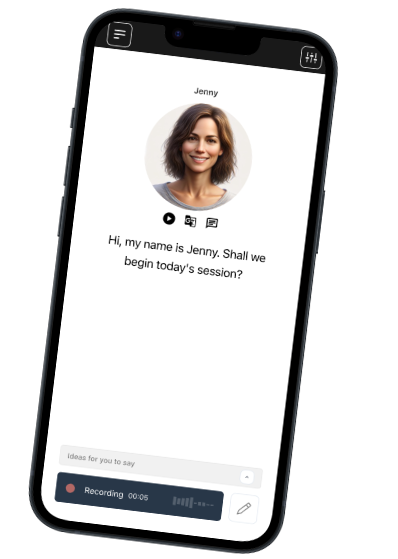
For most classes, the missing piece is not another set of taps and quizzes. It is enough speaking time for every learner. A teacher cannot hold a private conversation with 25 students at once, and quieter learners may speak very little during a normal lesson. Talkio gives each student a private place to practise aloud with an AI tutor and receive feedback straight away.
Talkio is not a copy of Duolingo, and it does not try to recreate every part of the Duolingo course. It is designed around speaking, pronunciation, feedback, curriculum-linked conversation topics, and progress visibility. That makes it especially useful as the speaking-practice layer around lessons your teachers already deliver.
Three ways schools can move to Talkio
Different education providers need different levels of administration and branding. Talkio has three options, so a private tutor does not have to buy an institutional setup, while a large online school is not forced into a simple consumer workspace.
1. Talkio for schools, universities, and institutions
Talkio for Institutions is built for schools, universities, and larger language programs that want a managed rollout.
Students practise voice conversations with AI tutors and receive feedback on pronunciation, sentence structure, fluency, and mistakes. Teachers can organize learners into groups, use ready-made curricula, or build custom conversation topics that match their lesson plans. A central dashboard shows engagement and progress across classes.
The platform supports more than 70 languages and 122 dialects. Schools can make the full selection available or limit students to the languages in their program. Talkio is GDPR compliant, stores data on secure servers in the EU, and is built to meet accessibility requirements in the EU and USA.
This option fits a school that wants consultation, curriculum mapping, organized class onboarding, and institution-wide reporting. The process starts with a demo and a discussion of student numbers, languages, and learning goals.
2. Talkio for tutors and small teams
Talkio for Tutors & Teams is the simpler self-service option for private teachers, departments, after-school programs, and small learning teams.
A tutor can create a workspace, invite learners, choose or build conversation topics, and follow progress from one dashboard. Learners can practise whenever it suits them, without booking a live session. Tutors can also create custom AI tutors with the personalities, accents, and focus their students need.
The plan is listed at $7 per user per month and includes a 14-day free trial. That makes it practical for a teacher or small department to test Talkio with a limited group before a wider rollout.
For ideas on how to use those sessions as classwork, see AI speaking homework for language classes. Short, focused conversations can give every student more active speaking time without adding another live lesson to the timetable.
3. White-label Talkio for online language schools
Talkio for Online Schools is for education businesses that want AI speaking practice inside their own product and brand.
The platform can use your logo, colors, domain, courses, and custom AI tutors, with no Talkio branding shown to students. It supports LMS and API integration, can be embedded into an existing website or app, and includes student management and progress analytics.
This is the best fit for an online language school that already has courses, teachers, and a student portal but needs a scalable speaking component. Talkio handles the AI, hosting, and ongoing updates while the school controls the learner experience.
A practical migration plan for the 2026–2027 school year
- List what you use today. Note the classes, assignments, reports, account roles, and student routines that currently depend on Duolingo for Schools.
- Export student activity. Existing teachers can download activity reports as CSV files. Save the records you are permitted to retain before the dashboard closes, because Duolingo has not promised that reports will remain available afterward.
- Separate lesson content from speaking practice. Decide which parts your teachers will continue to teach and where students need more conversation, pronunciation, and feedback.
- Run a small pilot. Choose one class or group, create a few curriculum-linked conversation topics, and test the workflow with teachers and students.
- Measure useful outcomes. Look at participation, speaking time, common pronunciation problems, and whether students become more willing to answer aloud. Do not rely only on logins or streaks.
- Train teachers before the full switch. Give staff examples of good speaking tasks, clear expectations for students, and a simple process for reviewing progress.
Students who understand a language on paper can still freeze when they have to speak. That is the output gap, and it is one reason a speaking-first replacement can add more value than another quiz platform. Immediate corrections can also help students notice mistakes while the sentence is still fresh, as explained in our article on real-time correction.
Start the move before the deadline
July 2027 may feel far away, but school technology changes take time. Teachers need to test the new workflow, students need clear instructions, and administrators need to review privacy, accessibility, reporting, and cost.
A small school or tutor can begin with the 14-day Tutors & Teams trial. Larger institutions can book a demo for a managed setup. Online language schools can discuss a white-label platform, LMS connection, or API integration.
The goal is not simply to replace one logo with another. It is to give every student more chances to speak, receive useful feedback, and build confidence before they need the language in real life.
Sources
Talk Your Way
to Fluency
Talkio is the ultimate language training app that uses AI technology to help you improve your oral language skills!
Try Talkio