Can Duolingo Make You Fluent? What Gamification Can and Cannot Do
Last updated on
Editorial owner: Grzegorz Markowski · Editorial policy
Duolingo can help learners return regularly, review vocabulary, and practise short language patterns. A streak or XP total, however, measures activity inside the app rather than the ability to handle an unscripted conversation. Gamification is most useful when it supports a broader routine instead of becoming the goal of the routine.
Turn app activity into usable language
- After a lesson, say three original sentences without looking at the screen.
- Use new vocabulary in a two-minute response to a personal question.
- Add listening from natural speakers so recognition is not limited to one voice and pace.
- Measure a real task—such as explaining your weekend—alongside streaks or XP.
Research suggests gamification does have a measurable impact on motivation and engagement. According to a study published on ScienceDirect, gamified elements, such as feedback and progression indicators, promote sustained engagement with language activities. For a lot of learners, this is no small feat. Building a consistent habit is often the greatest obstacle to language progress. Therefore, apps may shine in helping users develop regular practice routines.
However, scientists also warn that motivation driven by streaks and rewards may not be enough for developing true communicative ability. A meta-analysis from Frontiers in Psychology concluded that while gamified apps can increase vocabulary recognition and reading comprehension, their impact on speaking and conversational skills remained limited without more interactive, real-time practice. The game-like structure often leads to surface-level memorization, rather than the deep, active use of language necessary for full fluency.
What the approach can do
One reason is that most gamified apps focus on individual exercises: translating sentences, filling in blanks, or selecting words. This type of training can reinforce passive knowledge (understanding when you see or hear words), but it lacks the dynamic challenge of live conversation. As many linguists explain, real-world fluency develops through interactive, responsive communication—something that static gamified exercises rarely provide (see community discussions).
Interestingly, some new digital platforms are beginning to bridge this gap. Applications such as Talkio introduce AI-driven conversational practice, providing real-time feedback on pronunciation, fluency, and grammar in a genuinely interactive way. Unlike streak-based games, this technology enables learners to engage in lifelike dialogues—training the brain for the messy, unpredictable nature of actual communication.
Where its limits appear
The effectiveness of gamification may also depend on your learning goals and your native language. For example, learners targeting Spanish in Latin America may benefit from rapid-fire vocabulary games at the start, but eventually need to interact with local accents (such as those on Mexican Spanish on Talkio) to build confidence in speaking with people in context. Understanding when to transition from in-app games to conversation practice can make or break your progress.
So—here’s the twist science is uncovering: While the dopamine hit from streaks makes you return, it’s real-time speaking and feedback that cement true fluency. Studies consistently show that if your learning journey is only about keeping your chain alive or topping a leaderboard, you may be “winning” at the app, but not actually building the speaking skills you crave. If instead you blend the motivation of gamified practice with real, responsive conversation (even simulated with technology), you’re far more likely to reach the finish line of genuine, confident communication.
Which means the next big leap in language learning may not just be about clever games, but about bridging practice streaks with authentic, in-the-moment speaking—all backed by what current research tells us. For more on this evolving science, visit SAGE Open or explore community insights on r/languagelearning.
Talk Your Way
to Fluency
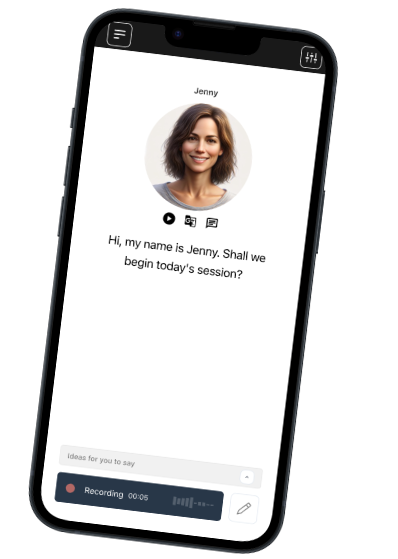
Talkio is the ultimate language training app that uses AI technology to help you improve your oral language skills!
Try Talkio