Gendered Pronouns Across Languages: A Practical Guide
Last updated on
Editorial owner: Grzegorz Markowski · Editorial policy
Languages do not all organize personal pronouns in the same way. Some mark gender in third-person forms, some commonly omit pronouns, and some use a single form across genders. Inclusive usage also develops differently in different speech communities. The safest practical principle is simple: learn the conventions of the language and use the form a person asks you to use.
How to handle pronouns while learning a language
- Learn pronouns together with the verb and agreement patterns they control.
- Distinguish grammatical gender from a person's gender; they are not the same system.
- When usage is changing, check how speakers in the relevant community and setting communicate.
- If you make a mistake, correct it briefly and continue instead of turning the exchange into a debate.
The Role of Pronouns in Language Structure
Pronouns originally developed to simplify language and reduce repetition. Many languages, such as French and Spanish, make gender central to their grammar: nouns, adjectives, and pronouns can all signal gender. In contrast, languages like Turkish or Finnish do not mark gender in pronouns at all. So, do gendered pronouns really help us communicate more clearly, or do they add unnecessary complexity?
Studies suggest that while gendered pronouns are important for mastering certain grammatical rules, they are not essential to expressing meaning in daily conversation. For instance, Finnish speakers manage just fine without ever indicating gender through pronouns, and Ethnologue lists a range of world languages that use only gender-neutral options.
Moving Toward Inclusive Language
In recent years, the adoption of gender-neutral pronouns—including singular “they” in English—has grown rapidly. Organizations like British Council and researchers have documented how gender-inclusive language supports both social inclusivity and clarity in communication, especially in workplaces and educational settings. This shift isn’t just a social movement; it’s actively shaping how new generations use and understand language.
Inclusive language doesn’t only affect English. In countries like Sweden, the introduction of “hen” as a gender-neutral pronoun shows that language users can and do adapt when inclusivity becomes a priority. Learners of languages such as Spanish or French often wonder how to apply these practices in their studies, particularly since traditionally gendered grammar is an integral part of learning these languages. Using gender-neutral options and learning about the broader context can empower both language learners and native speakers to communicate more thoughtfully.
Does Gendered Grammar Influence Thought?
The Sapir-Whorf Hypothesis, which proposes that language influences worldview, has prompted researchers to ask whether using gendered language impacts how we see people and their roles in society. Studies published in peer-reviewed journals have found that speakers of highly gendered languages may be more likely to associate certain professions or activities with a particular gender. This gives weight to arguments for more gender-inclusive language as a tool for fostering equality and reducing bias.
Practical Tips for Learners
- Familiarize yourself with both traditional and gender-neutral pronouns in your target language.
- Ask native speakers about inclusive alternatives, especially in contexts where language reform is ongoing.
- If using an AI language tutor like Talkio, focus lessons on both formal (standard grammar) and informal (modern inclusive usage) speech to gain a balanced perspective.
For a deep dive into different dialects and how gender manifests in regional varieties, visit Talkio’s Guide to Spanish Accents and Dialects.
The Big Reveal: The Surprising Roots of “They”
Here’s the reveal we hinted at: The singular “they” is not simply a new fad—it has actually existed in English for over 600 years! According to linguists and historical sources, writers as early as Chaucer and Shakespeare used “they” in a singular sense when a gender was unknown or irrelevant. What’s changed recently is society’s willingness to recognize and standardize this linguistic flexibility. As debates about gender-inclusive language continue around the world, it’s clear that our pronoun choices are more than grammar—they’re a reflection of cultural values, identity, and respect.
Talk Your Way
to Fluency
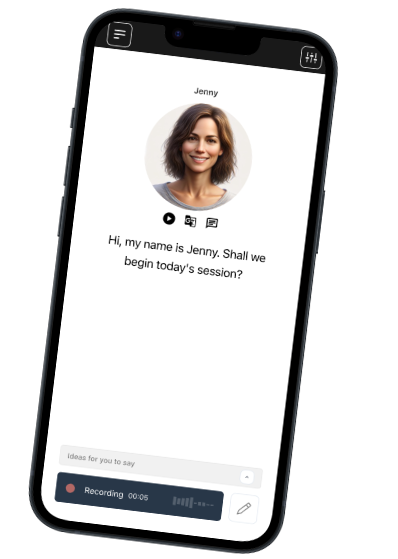
Talkio is the ultimate language training app that uses AI technology to help you improve your oral language skills!
Try Talkio