The Bilingual Bonus: Why Multilingual Workers Are Earning 19% More in 2026
Last updated on
Editorial owner: Taylor Freeman · Editorial policy
The Real Numbers: What Research Shows About Bilingual Salaries
According to comprehensive research by Preply, multilingual employees earn an average of 19% more than their monolingual counterparts. That’s not a typo. For the same or similar roles, workers who can communicate in multiple languages are taking home significantly larger paychecks.
But the story gets even more compelling. Studies show that bilingual workers can earn anywhere from 5% to 20% more per hour, depending on factors like industry, location, and the specific languages they speak. In high-demand cities like San Francisco and New York, multilingual professionals in fields like tech, healthcare, and finance are commanding premium salaries that their monolingual peers simply cannot match.
The demand is clear on the employer side too. An overwhelming 90% of U.S. employers report relying on employees who speak languages other than English, and 56% say their need for bilingual workers will only increase over the next five years. This isn’t a temporary trend. It’s a fundamental shift in how businesses operate in an interconnected world.
Why Employers Are Paying More for Language Skills
You might wonder: with AI translation tools becoming increasingly sophisticated, why would employers still pay a premium for human language skills? The answer lies in what AI cannot replicate.
When a German client calls with a complex technical question, they don’t want to speak through a translation app. When sensitive contract negotiations happen with a Japanese partner, nuance and cultural understanding matter more than word-for-word accuracy. When a Spanish-speaking patient describes symptoms to a healthcare provider, the ability to pick up on subtle cues could be life-saving.
As we explored in our piece on whether language barriers still matter in an AI world, technology is powerful but far from a complete replacement for genuine human communication. Employers understand this, which is why they’re willing to pay for the real thing.
Beyond direct communication, multilingual employees bring cognitive advantages that translate into workplace performance. Research consistently shows that bilingual individuals demonstrate stronger problem-solving abilities, better multitasking skills, and greater mental flexibility. These aren’t just nice-to-haves. They’re competitive advantages that impact the bottom line.
Which Languages Command the Highest Premiums?
Not all languages carry the same earning potential. As of late 2025, the languages most in demand for professional translation and business communication work include German, Mandarin, Arabic, French, and Japanese, in that order.
German speakers often command top dollar due to Germany’s economic powerhouse status in Europe and the complexity of the language for English speakers. Mandarin continues to grow in value as Chinese business relationships expand globally. Arabic speakers remain highly sought after in sectors ranging from defense to energy to international development.
But here’s what many people miss: even “common” languages like Spanish can significantly boost your earnings in the right context. In healthcare, education, social services, and customer-facing roles across the United States, Spanish fluency often means the difference between getting hired and being passed over entirely.
The key isn’t necessarily learning the “most valuable” language on paper. It’s matching your language skills to your career goals and geographic location.
The Hidden Barriers to Cashing In on Your Language Skills
Here’s where things get interesting. Having language skills and being able to use them professionally are two different things.
Many bilingual professionals struggle with what linguists call “heritage speaker syndrome.” They grew up speaking a language at home but never learned the formal, professional register needed in business settings. They can order food and chat with relatives but freeze when asked to present quarterly results or negotiate contract terms.
Others face the confidence gap. As we discussed in our article about the silent barrier of language anxiety in the workplace, many employees with strong language skills never speak up simply because they fear making mistakes. This self-silencing behavior costs them opportunities for advancement and recognition.
The good news? Both of these barriers are solvable. Professional language fluency can be developed, and confidence can be built through consistent practice in realistic scenarios.
From Conversational to Career-Ready: Bridging the Gap
If you already have some foundation in a second language, the path to making it career-valuable is clearer than you might think. The critical piece most people miss is consistent speaking practice in professional contexts.
Traditional language learning focuses heavily on vocabulary lists, grammar drills, and reading comprehension. These build a foundation, but they don’t prepare you for the dynamic, real-time communication that employers actually pay for. You need to practice thinking and responding in your target language, handling unexpected questions, and navigating conversations that don’t follow a textbook script.
This is where modern approaches to language learning show their value. As AI conversation partners become more sophisticated, learners now have access to unlimited speaking practice without the scheduling hassles and social pressure of human conversation partners. You can practice a job interview in German at 11 PM, role-play a client meeting in Japanese during your lunch break, or refine your Spanish pronunciation for a presentation, all on your own time.
The formula for moving from conversational to career-ready isn’t complicated: targeted vocabulary for your industry, regular speaking practice in realistic scenarios, and enough repetition to build genuine confidence. What used to require expensive tutors or lucky circumstances is now accessible to anyone willing to put in the work.
The Compound Effect: Language Skills Over Time
One aspect of the bilingual bonus that rarely gets discussed is how language skills compound over a career.
A 19% salary premium might not seem life-changing in year one. But calculate that advantage over 20 or 30 years of working life, factoring in how raises and promotions build on your base salary, and the numbers become staggering. We’re talking about potentially hundreds of thousands of dollars in additional lifetime earnings.
Beyond raw compensation, language skills open doors that would otherwise remain closed. International assignments. Leadership roles in global teams. Access to networks and opportunities that monolingual professionals never see. The relationship between communication skills and career trajectory is well documented, and being multilingual amplifies this effect significantly.
There’s also the matter of job security. In an era of automation and AI-driven workforce changes, human communication skills, especially across languages and cultures, remain remarkably difficult to replicate. Multilingual employees have a built-in hedge against technological displacement that their monolingual colleagues lack.
Getting Started: Practical Steps to Build Your Bilingual Bonus
If you’re convinced that developing language skills could boost your career, where do you begin?
First, assess honestly where you stand. Do you have any existing foundation in another language, even from years ago? Heritage speakers and lapsed learners often underestimate how much they retain. Starting from a foundation, even a rusty one, is significantly faster than starting from zero.
Second, choose strategically. Consider what languages are most valuable in your industry and geographic location. If you work in international finance, Mandarin or German might offer the highest returns. In U.S. healthcare or education, Spanish fluency is nearly always valuable. Research job listings in your target roles to see what language requirements appear most frequently.
Third, prioritize speaking from day one. The trap many learners fall into is spending months or years on apps and textbooks before ever attempting conversation. This builds passive knowledge but not the active fluency employers pay for. Force yourself to speak, even imperfectly, from the earliest stages of learning.
Finally, think long-term. Language acquisition is measured in months and years, not days and weeks. The learners who eventually reach professional fluency are those who find sustainable ways to practice consistently, not those who burn bright for a few weeks and then fade.
The Bottom Line
In 2026, the bilingual bonus isn’t a myth. It’s a documented, measurable advantage that multilingual workers enjoy across industries and geographies. With employers increasingly dependent on language-capable staff and global business connections only growing more important, the premium for genuine communication skills shows no signs of shrinking.
The question isn’t whether learning a language is worth it for your career. The data makes that clear. The question is whether you’re willing to invest the time and effort to claim your share of the bilingual bonus.
For many professionals, discovering how to sound more professional in their target language becomes the final piece of the puzzle, the step that transforms theoretical language knowledge into career-advancing communication skills.
Your future self, looking at a fatter paycheck and a broader range of opportunities, will thank you for starting today.
Talk Your Way
to Fluency
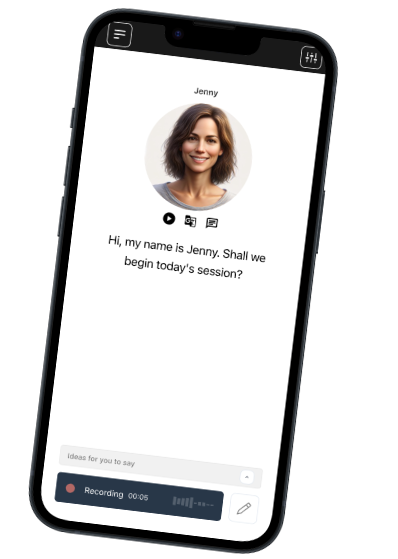
Talkio is the ultimate language training app that uses AI technology to help you improve your oral language skills!
Try Talkio