Football vs. Soccer: British and American English Vocabulary
Last updated on
Editorial owner: Theis Froehlich · Editorial policy
The 2026 FIFA World Cup is about to dump a beautiful amount of English confusion onto the internet. One commentator says football, another says soccer, one fan screams about a pitch, another talks about the field, and suddenly every English learner is wondering if they missed a secret rulebook.
They did not. This is just what happens when one global sport gets filtered through British English and American English at the same time.
If you want to follow World Cup coverage without getting tripped up, the smartest move is not memorizing one “correct” version. It is learning the most common vocabulary on both sides. That way, whether you are watching the BBC, ESPN, TikTok clips, or arguing with friends in a group chat, you will know what people actually mean.
There is also a fun twist here. The word soccer is not some American invention people cooked up to annoy the British. As Britannica explains, it started as British slang from association football. Language is messy, sports language is messier, and honestly that is half the fun.
First, football vs soccer
In the UK, the sport is usually called football. In the US, it is usually called soccer. Both point to the same game, eleven players, one ball, no hands except for the keeper.
This difference exists partly because the US already had another sport claiming the word football. In Britain, Cambridge Dictionary defines football as the game Americans usually call soccer. In American usage, that same dictionary notes that soccer is the normal term.
So if an English learner asks, “Which word should I use?” the real answer is boring but useful: use the version that matches your audience. Talking to Brits, call it football. Talking to Americans, call it soccer. Talking to an international crowd during the World Cup, know both and do not panic.
The vocabulary differences that actually matter
Most match coverage is mutually understandable, but a handful of words show up constantly. These are the ones worth learning first.
- football / soccer: same sport, different default term.
- pitch / field: Brits usually say pitch, Americans often say field.
- kit / uniform: a British player wears a kit, an American fan may say uniform or jersey.
- boots / cleats: British English prefers boots, American English usually says cleats.
- match / game: in the UK it is more often a match, in the US more often a game.
- draw / tie: British fans often say the match ended in a draw. Americans often say it ended in a tie.
- nil / zero: British scorelines love nil, like “one nil.” Americans are more likely to say “one to zero.”
- keeper / goalie: both exist in both varieties, but goalie feels more common in American speech, while keeper or goalkeeper is classic British usage.
- trainers / sneakers: not soccer-specific, but it comes up around fan culture and youth sports. In the UK, players might show up in trainers. In the US, they wear sneakers.
- table / standings: in British coverage, teams move up the table. In American coverage, you will often hear standings.
None of these differences are huge on their own. Stack them together in a fast commentary clip, though, and learners can get smoked pretty quickly.
What usually stays the same
Here is the good news. A lot of core soccer vocabulary does not change much. Words like goal, penalty, offside, defender, midfielder, corner, and referee travel pretty well across both varieties of English. That is one reason global coverage works as well as it does.
Still, English learners often get frustrated because they expect vocabulary differences to be perfectly logical. English laughs at that idea. This is the same language that gives learners trouble with tiny pairs like say and tell. Sports vocabulary is easier in one sense because the context helps, but the volume and speed can make it feel harder in real time.
Why the World Cup makes this more noticeable
The World Cup is where English varieties collide in public. Broadcasters, podcasters, creators, brands, and fans from all over the place are talking about the same matches in slightly different English. During a normal week, you might only hear one style. During the World Cup, you hear all of them at once.
That matters because listening comprehension is not just about grammar. It is about recognizing variation fast enough that your brain does not stall. The same thing happens with accents, slang, and cultural references. If you have ever wondered whether English is really “easy,” this is exactly the kind of real-world complication that gets hidden by lazy textbook takes. We broke that down in this look at whether English is actually easier than other languages.
The fix is not overthinking every term. It is getting more exposure to the same topic in different voices.
How to learn both versions without frying your brain
The best way to learn soccer vocabulary is not by reading a dead list once and pretending that counts as knowledge. You want active exposure.
Start with short clips from both British and American commentators. Listen for repeated words around the same moment in the match. A British commentator says “brilliant ball into the box,” then an American recap calls it “a great pass into the penalty area.” Same play, different phrasing. That is how the patterns stick.
Next, build mini word pairs instead of giant vocabulary dumps. Learn pitch/field, boots/cleats, draw/tie, nil/zero. Small batches are easier to recall when the game is moving fast.
Then say the words out loud. That part matters more than people think. Vocabulary you only recognize passively is fragile. Vocabulary you have actually used in speech is much easier to retrieve when you need it. If you want to get better at that process in general, it helps to treat vocabulary as something you practice in context, not something you just collect. That is the whole point behind learning English vocabulary with AI.
You can also use themed content to make practice less miserable. Sports interviews, fan reactions, and even songs tied to tournaments give you repetition without making it feel like homework. We have seen a similar effect with music-based English learning, where repetition and emotion help vocabulary stick better.
The smartest goal is flexibility, not purity
A lot of learners get weirdly anxious about picking one “right” kind of English. That is not necessary. Unless you are preparing for a very specific exam or job environment, the better target is flexible comprehension plus consistent personal usage.
In plain English, that means you should understand both football and soccer, but you do not need to sound like two different people. Pick the version that fits your audience and stick with it in your own speech. Just do not freeze when someone uses the other one.
This is also why cultural vocabulary is worth learning. It is not only about getting the dictionary meaning right. It is about sounding like you understand the room. British fans talking about a nil nil draw on a wet pitch are not using harder English, just different defaults. Once you know the pattern, it stops feeling intimidating.
And if you like language history, this stuff is gold. English has always been shaped by usage, identity, and a little chaos. The same language that gave us modern football vocabulary also gave us centuries of weird word shifts, borrowed phrases, and arguments nobody ever fully wins. That is basically the story of English in general.
Bottom line
With the World Cup coming up, this is the perfect time to learn the British and American versions of soccer vocabulary. Not because one is superior, but because real English lives in variation.
So learn the pairs. Listen to both styles. Practice saying them out loud. And when somebody starts a fight over whether it is football or soccer, you can enjoy the match while everyone else argues in the comments like lunatics.
If you want to practice this kind of real-world English, Talkio lets you rehearse conversations around sports, media, travel, and everyday topics, so vocabulary does not stay trapped in a list. That is when it actually becomes usable.
Talk Your Way
to Fluency
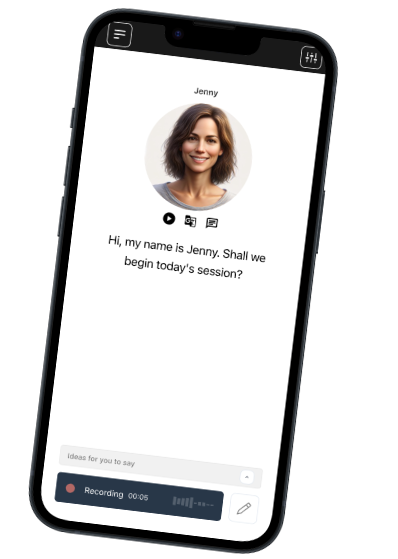
Talkio is the ultimate language training app that uses AI technology to help you improve your oral language skills!
Try Talkio